Exploring BeeWorkshop: A Journey into Strategic Honeycomb Creation
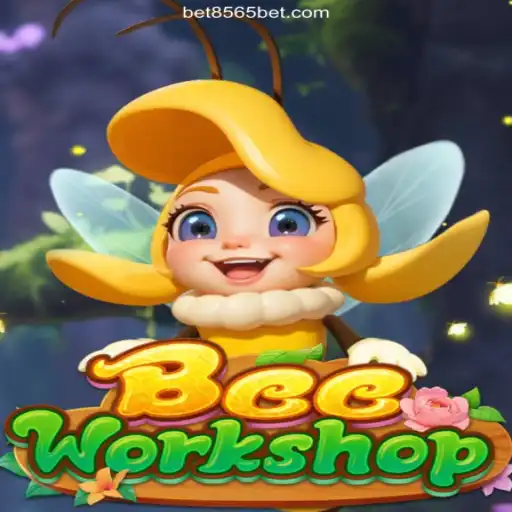
Introduction to BeeWorkshop
BeeWorkshop is an innovative game that challenges players to harness their creativity and strategic skills to master the art of bee management and honeycomb design. Set in a vibrant digital landscape, this game combines elements of resource management, puzzle-solving, and strategic planning, offering players a unique gaming experience that is both engaging and educational. As players delve into the world of bees, they learn about the intricacies of hive architecture and the delicate balance of natural ecosystems.
Understanding the BeeWorkshop Gameplay
The core of BeeWorkshop revolves around building and managing a thriving bee colony. Players start with a small hive and must expand their operations by gathering resources, nurturing their bees, and constructing intricate honeycombs. The game’s intuitive interface and visually appealing graphics draw players into a world buzzing with life and color.
Strategic Honeycomb Construction
One of the key features of BeeWorkshop is the honeycomb construction mechanic. Players must strategically place hexagonal cells to optimize resource collection and ensure the efficient operation of the hive. Each decision influences the colony’s growth and productivity, encouraging players to think ahead and plan carefully.
Resource Management
Successful hive management requires players to gather and allocate resources effectively. The game challenges players to balance different resource types, such as nectar, pollen, and energy, to maintain a thriving bee population. Efficient resource management is crucial for unlocking new levels and expanding the hive’s capabilities.
Game Rules and Objectives
The primary objective in BeeWorkshop is to build a sustainable bee colony that can withstand various environmental challenges. Players must navigate through a series of levels, each with its unique set of obstacles and goals. The game encourages players to explore different strategies and adapt to changing conditions, reflecting the dynamic nature of real-world ecosystems.
Hexagonal Grid System
Players utilize a hexagonal grid system to design and expand their hives. This system requires careful planning, as each hexagon placement impacts the hive's overall structure and efficiency. The strategic use of space is vital to maximizing resource collection and creating a harmonious hive environment.
Environmental Challenges
BeeWorkshop incorporates current environmental themes, such as climate change and habitat loss, into its gameplay. Players must adapt to unpredictable weather patterns, manage scarce resources, and protect their bees from external threats. This realism adds a layer of depth to the game, reflecting pressing global concerns.
Current Events and BeeWorkshop
The inclusion of real-world environmental challenges in BeeWorkshop aligns with current events, highlighting the importance of sustainability and conservation. As news headlines continue to focus on climate change and biodiversity loss, games like BeeWorkshop offer an engaging platform for raising awareness and promoting environmental stewardship.
The game’s focus on bees ties into broader discussions about pollinator health and the critical role bees play in global ecosystems. Recent studies have shown a decline in bee populations worldwide, prompting efforts to protect these vital pollinators. Through its gameplay, BeeWorkshop encourages players to learn about bee biology and the factors impacting their survival, fostering a deeper appreciation for these essential creatures.
Conclusion
BeeWorkshop provides a captivating blend of creativity, strategy, and education, making it a standout game in today’s digital landscape. By integrating current environmental challenges into its gameplay, the game not only entertains but also informs players about the urgent need for conservation efforts. As players engage with BeeWorkshop, they not only build impressive virtual hives but also gain valuable insights into the interconnectedness of nature and the importance of safeguarding our planet’s future.
